

The Smart-Yard Framework: 4 Questions to Guide Your 2026 Reefer Strategy
As we approach 2026, reefer operations face rising complexity—from increased cargo volumes and tighter compliance standards to growing pressure for energy efficiency and digital integration. Automated reefer monitoring isn’t just a tech upgrade anymore—it’s a strategic necessity.
But before choosing a system, ask this: “What type of reefer operation are we building?”
At RTE, we guide clients through a four-part framework to help them make smart, scalable decisions. It’s not about chasing features—it’s about solving the right problems, in the right way, for the right yard.
1. Operational Pain Points: What’s Driving the Need?
Start by identifying the core challenges you want to solve. Most clients begin with one concern—like manual inspections—but uncover many more during discovery.
Common pain points include:
- Too many reefers to inspect manually
- Safety risks for yard personnel
- Data entry errors and inconsistent records
- Lack of integration across systems
- No visibility into energy usage or reefer status
Prioritize what matters most. A clear problem definition leads to measurable results.
2. Facility Type: Where Will the System Operate?
Your yard’s layout and handling methods shape your monitoring needs.
- Terminals may use stacks, racks, or hybrids
- Depots often rely on wheeled yards or stacked containers
- Rail yards and vessels/barges introduce mobility and access constraints
No single system fits every yard. Look for providers offering modular solutions that adapt to your environment—not the other way around.
3. Scale of Connectivity: How Many Reefers Are We Talking?
The number of reefer connection points defines the scope of your data project—and your future scalability.
Even if your current volume is manageable, reefer traffic is growing fast. The refrigerated container transport market is projected to grow at a CAGR of 6% to 9% by 2030. Planning for expansion now can save you from costly retrofits later.
4. Communication Infrastructure: What’s Already in Place?
Your yard’s existing network—wired, wireless, or cellular—plays a key role in shaping your monitoring strategy. The good news? Each option has strengths, and the best systems are designed to work with what you’ve got.
- LAN (Cable/Fiber): Offers unmatched stability, speed, and reliability—ideal for high-volume reefer yards and long-term infrastructure
- WLAN (Wireless): Flexible and fast to deploy, especially in dynamic or mobile environments
- WAN (Cellular): Great for remote sites or yards without fixed infrastructure
Understanding your yard’s communication backbone helps ensure seamless data flow and system performance. A quick consult with a systems engineer can help identify any signal challenges or integration opportunities—so your monitoring solution works flawlessly from day one.
Ready to Rethink Reefer Monitoring for 2026?
Whether you’re just starting to explore automation or looking to scale an existing system, the smartest investments begin with the right questions. This framework is designed to help you clarify your needs, avoid costly missteps, and build a monitoring solution that grows with your operation.
At RTE, we don’t just sell hardware and software—we help reefer operators design smarter, safer, more connected yards.
Let’s map your reefer operation together. Schedule a strategy session today.
Latest blog posts

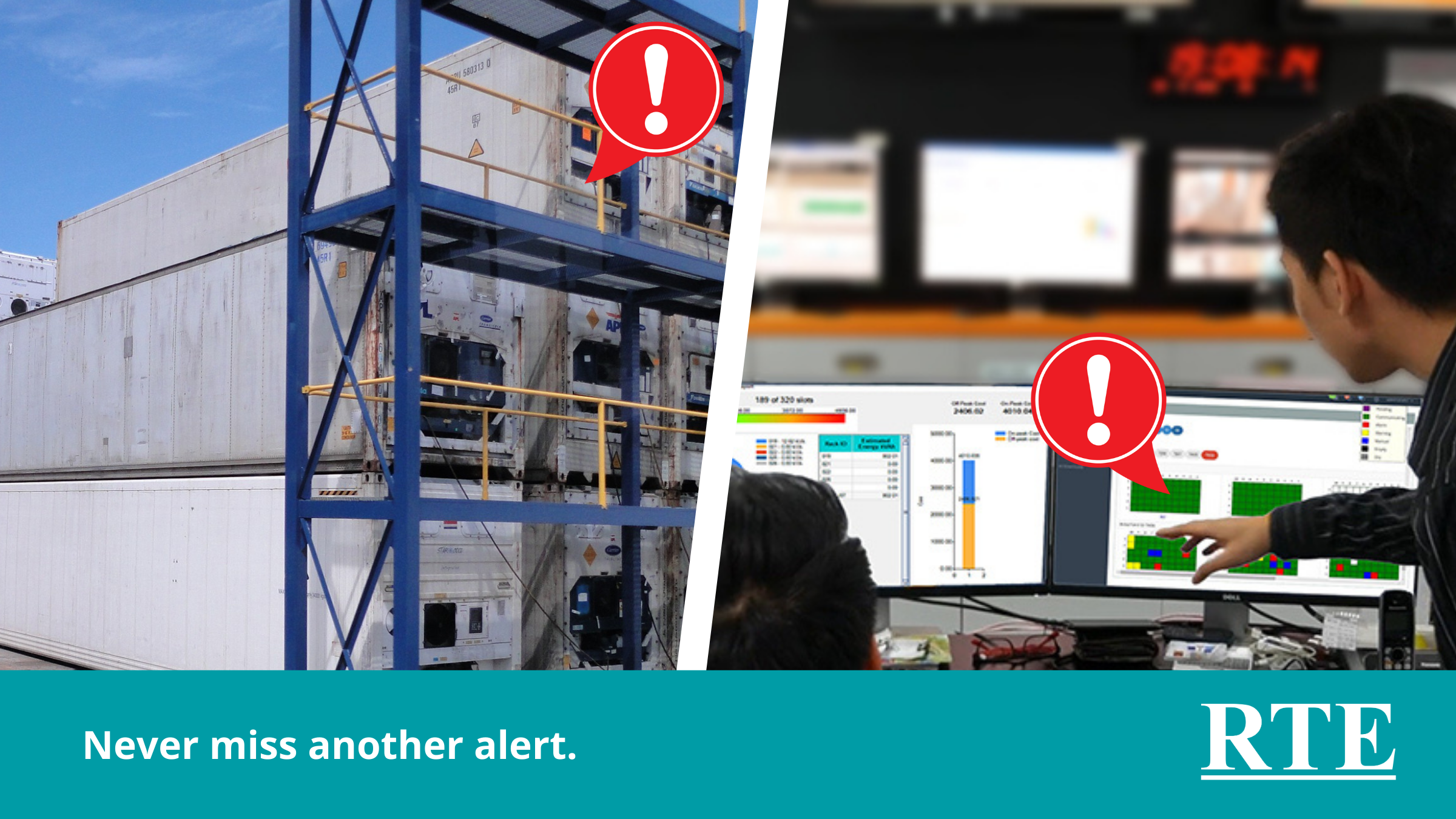
The Hidden Cost of One Missed Reefer Alarm
The most dangerous alarm is the one no one sees. Missed alerts → aging issues → preventable failures. Let’s break down why critical signals slip through the cracks and how high‑performing yards 𝘀𝘁𝗼𝗽 𝘁𝗵𝗲 𝗱𝗼𝗺𝗶𝗻𝗼𝗲𝘀 before they fall.

Reefer Data Is Becoming Terminal Data. And That Changes Everything
Automated reefer monitoring is no longer a niche tool. Discover why reefer data is becoming core terminal infrastructure and how operators are using it to improve planning, safety, transparency, and claims defensibility.
The Hidden Failure Points in Reefer Handling
Discover the hidden failure points in reefer handling operations and how terminals can prevent power, setpoint, and mechanical issues.

FSMA 204 Raises the Bar. Temperature Data Is the Key to Closing the Gap.
FSMA 204 is reshaping food traceability. Learn how RTEL temperature data loggers strengthen KDE documentation, support audits, and improve cold‑chain compliance.