

Reefer Monitoring: A Smarter Way to Build Trust
What if your reefer data could do more than just keep you informed?
The Hidden Value of Reefer Monitoring
Automated reefer monitoring is typically viewed through an operational lens. It reduces manual checks, improves response times, and ensures accurate temperature control. But there’s a strategic layer many terminals overlook: the ability to share that data as a deliverable.
When you provide customers with real-time insights and historical records, you’re not just managing cargo—you’re demonstrating care, precision, and accountability. That kind of transparency builds trust. And trust builds business.
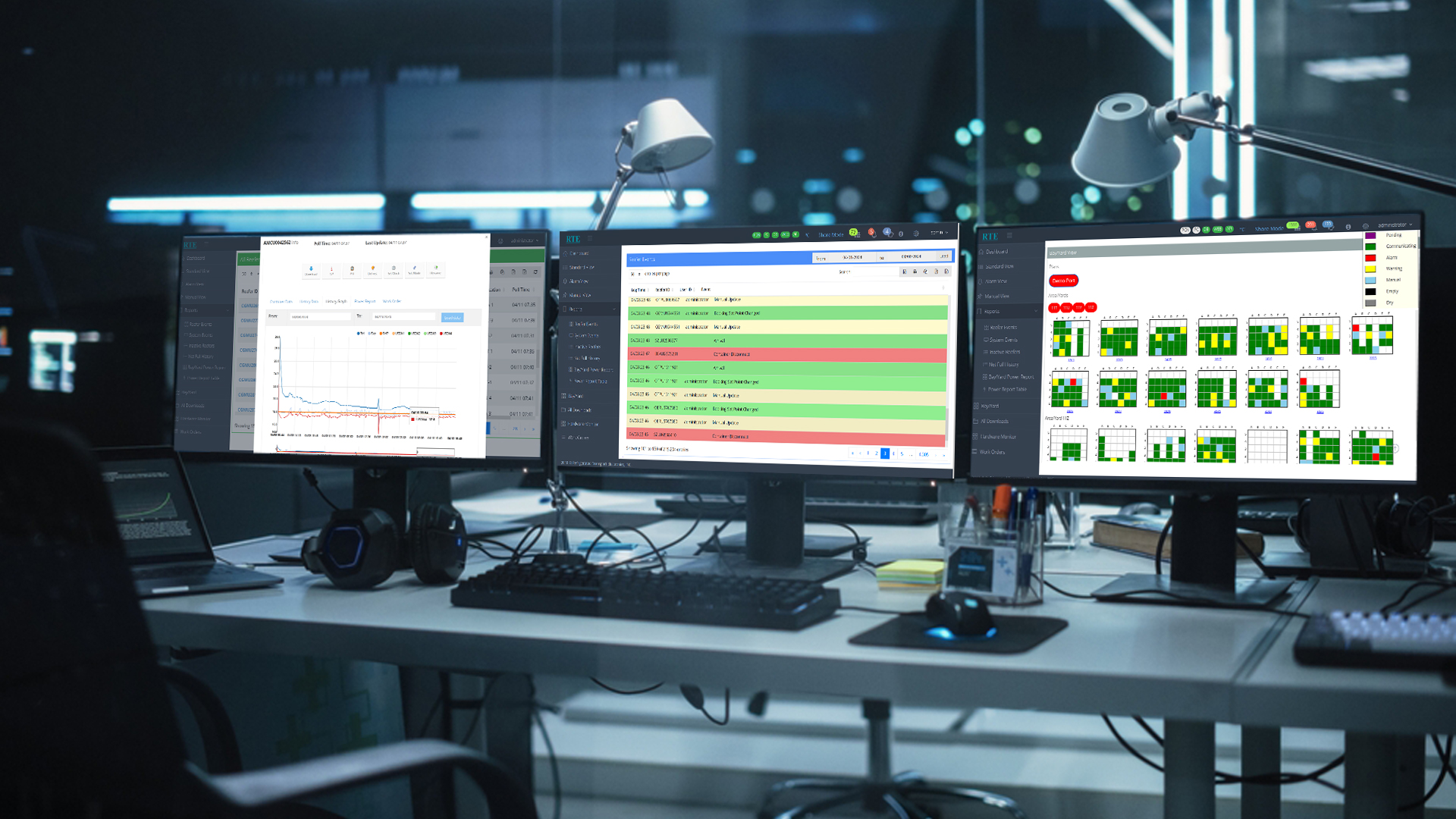
A Real-World Example: Data That Speaks for You
At a major port in South America, a terminal operator began sharing automated reefer reports with cargo stakeholders. These reports included time-stamped temperature logs, power connection records, and set point verifications. The result? A noticeable drop in insurance claims—and a rise in repeat business.
Why? Because the data told a story. It showed that the terminal wasn’t just storing cargo—it was actively safeguarding it.
Manual vs. Automated: The Case for Clean Data
Manual inspections are prone to delays, inconsistencies, and human error. Automated reefer monitoring eliminates those risks by delivering:
- Accurate, time-stamped data
- Instant alerts for temperature deviations
- Verified set points matched to booking values
- A full audit trail for every container
This level of detail doesn’t just improve operations—it creates a narrative of reliability that customers can see and trust.
Global Cargo, Universal Expectations
Whether you’re handling tropical fruit in Latin America, pharmaceuticals in India, or seafood in Southeast Asia, the expectations are the same: keep it cold, keep it safe, and keep us all informed.
Reefer monitoring data becomes a universal language of care. And when you share it, you’re not just meeting expectations—you’re exceeding them.
3 Ways Reefer Data Builds Customer Confidence
✅ Timestamped records show proactive care and responsiveness
✅ Verified set points reduce disputes and claims
✅ Transparent reporting builds long-term trust and loyalty

From Monitoring to Marketing
Think of reefer data as more than a compliance tool—it’s a marketing asset. When prospective clients see how you handle cargo, they’re more likely to choose your terminal. When existing clients receive detailed reports, they’re more likely to stay.
RTE’s reefer monitoring technology helps terminals run more efficiently—and gives them something valuable to share. Because when customers feel confident, they come back.
Ready to Turn Reefer Data Into a Growth Strategy? Let’s talk about how RTE can help you deliver more than just cold cargo—deliver confidence.
Latest blog posts

Where cold-chain failures really happen
Cold‑chain failures hide in the gaps—loading docks, transfers, last‑mile handling. Product‑level temperature data reveals excursions, protects shipments, and gives shippers defensible proof.

Reefer Failures Are Expensive – Automation Stops Them Before They Start
Reefer growth isn’t solved by only adding more plugs. Reefers are live assets that demand real‑time monitoring, not manual checks. Learn why automated visibility, instant alerts, and remote control are now baseline infrastructure for terminals facing rising cold‑chain demand.
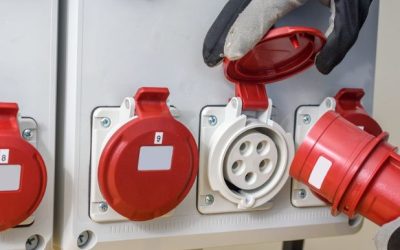
Why “More Plugs” Still Isn’t the Solution for Reefer Growth
Reefer growth isn’t solved by only adding more plugs. Reefers are live assets that demand real‑time monitoring, not manual checks. Learn why automated visibility, instant alerts, and remote control are now baseline infrastructure for terminals facing rising cold‑chain demand.

The Hidden Cost of One Missed Reefer Alarm
The most dangerous alarm is the one no one sees. Missed alerts → aging issues → preventable failures. Let’s break down why critical signals slip through the cracks and how high‑performing yards 𝘀𝘁𝗼𝗽 𝘁𝗵𝗲 𝗱𝗼𝗺𝗶𝗻𝗼𝗲𝘀 before they fall.