

Where Cold-Chain Failures Really Happen.
And How Product‑Level Data Exposes Them
Every handoff in the cold chain introduces risk, and at the pallet or package level, those risks multiply. Without clear product‑level temperature records, it’s impossible to know where or when an excursion occurred, and even harder to defend your part of the process. Temperature data loggers expose the gaps, giving shippers and QA teams clean, traceable data that eliminates finger‑pointing and protects product integrity.
Cold-chain excursions happen in places where accountability is vague—on loading docks, at route transfers and pallet handling, during open-door events in warehouses or on trucks, in last-mile deliveries, and in other moments of temperature shock that are out of sight of traditional monitoring.
Smaller shipments are actually where most loss claims originate because they move through multiple hands from shipper to final destination, and their smaller footprint makes them more susceptible to warming during transfers. They also spend more time outside controlled environments as they move through the logistics matrix. More importantly, these smaller shipments are rarely attached to continuous temperature documentation.
Here’s the part that may sound familiar
Your LTL temperature-sensitive load of [insert your commodity here – frozen meat or baked goods, electronics, or anything else] arrives at its destination out of spec. How did this happen?
“It arrived here already warm.” —Warehouse manager
“It was cold when we delivered it.” —Carrier rep
Either way, it’s a loss for you, the shipper. And without time-stamped visibility into the journey, there’s no way to pinpoint when the failure occurred. So recourse for the asset loss is unlikely.
You can’t control every link in the cold chain, but you can expose the gaps that help you make better decisions on future shipments and avoid capital losses.
Owning temperature data
The good news is that shippers have simple tools available that can help. Temperature data loggers are inexpensive resources that you place inside packages and pallets. They follow your shipped item, not the truck or the warehouses it passes through. These loggers give you visibility into the journey, recording time-stamped ambient temperature readings at preset intervals.
Once your package is delivered, the receiver simply plugs the device into a laptop USB port and downloads the recorded data. Instantly, a visual history of every time-stamped reading emerges. You’ll see the exact moment the excursions happened, the temperature your package was exposed to, and how long it remained there.
Now armed with data-driven proof, you can assess product quality and determine who’s to blame for any failure.
Measurable results
Cold‑chain operations are modernizing fast, and the teams who protect their products are the ones investing in real visibility. Product‑level temperature proof isn’t expensive — and compared to the cost of a spoiled pallet, the ROI is undeniable. A single compromised shipment can wipe out thousands of dollars in product, customer trust, and time.
R‑TEL single‑ and multi‑use data loggers make that protection simple and affordable for cold-chain shippers of any size. They expose the gaps where failures hide, give you defensible records at every handoff, and safeguard your customers, your product, and your reputation.
Now that’s priceless peace-of-mind assurance.
Ready to start protecting your next shipments?
Give R‑TEL temperature data loggers a try. Ask about a free sample and test one or two lanes with product‑level visibility.
Latest blog posts

LATAM Reefer Peaks Getting Sharper – And Terminals Are Feeling It First
Reefer flows across LATAM are hitting terminals in sharper bursts. Learn what’s driving the volatility and how automated monitoring strengthens operational resilience.

Reefer Failures Are Expensive – Automation Stops Them Before They Start
Reefer growth isn’t solved by only adding more plugs. Reefers are live assets that demand real‑time monitoring, not manual checks. Learn why automated visibility, instant alerts, and remote control are now baseline infrastructure for terminals facing rising cold‑chain demand.
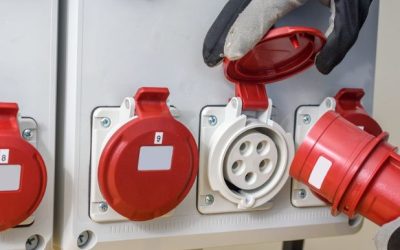
Why “More Plugs” Still Isn’t the Solution for Reefer Growth
Reefer growth isn’t solved by only adding more plugs. Reefers are live assets that demand real‑time monitoring, not manual checks. Learn why automated visibility, instant alerts, and remote control are now baseline infrastructure for terminals facing rising cold‑chain demand.

The Hidden Cost of One Missed Reefer Alarm
The most dangerous alarm is the one no one sees. Missed alerts → aging issues → preventable failures. Let’s break down why critical signals slip through the cracks and how high‑performing yards 𝘀𝘁𝗼𝗽 𝘁𝗵𝗲 𝗱𝗼𝗺𝗶𝗻𝗼𝗲𝘀 before they fall.