

The Domino Effect and the Hidden Cost of Missed Reefer Alarms
It’s 02:14 AM on a stormy, rain‑driven Monday. The last reefer inspection round wrapped up minutes ago. The night‑shift skeleton crew ducks inside to get out of the weather. But somewhere across the yard, a single reefer alarm quietly triggers — unseen, unheard, and destined to sit unnoticed for hours.
Meanwhile, a container full of temperature‑sensitive berries begins a slow, steady rise. By morning, the inside temperature is pressing the limits of its acceptable range. The alarm, finally spotted during shift change, sends the team scrambling to diagnose the malfunctioning unit. Now the sun is up, the summer heat is building, and the already‑stressed reefer is fighting a losing battle. The fix is still hours away.
One missed alarm isn’t a small oversight. It’s a system failure with real cost.
Let’s look at why in this month’s report.
Why Missed Alarms Still Happen
At some point, the system itself becomes the problem.
Reefer alarms are set off for dozens of reasons. Some are harmless false positives. Others are recurring nuisance alerts — the kind every terminal learns to ignore because they never amount to anything. And then there are the real emergencies, the ones that matter, the ones like our 02:14 AM alarm that quietly turn into claims.
But here’s the truth operators rarely say out loud: When everything is an alarm, nothing is an alarm. Teams become desensitized, priorities seem to blur, and the signal gets buried in the noise.
And it’s not just alarm fatigue. Missed alarms happen because:
- Systems don’t talk to each other. Alarms appear in one platform, work orders in another, radio chatter in a third.
- Night shift is stretched thin. Fewer eyes, fewer hands, more risk.
- Large yards create physical blind spots. A single tech can’t be everywhere at once.
- Human factors creep in. Fatigue, multitasking, weather, competing tasks — all of it slows response time.
- No one knows which alarms actually matter. Without context, a compressor‑cycle alert looks identical to a high‑risk temperature deviation, even though the urgency is very different.
The result is predictable: Critical alarms age. Small issues become big ones. And by the time someone notices, the damage is already in motion.
The Real Cost of a Missed Alarm
The impact of a single missed alarm is unquestionable. And it’s not a matter of if they will occur — but when. Every terminal, regardless of size or sophistication, eventually faces the consequences.
Cargo Loss & Claims
High‑value or low‑value, every refrigerated load carries financial and reputational weight. Temperature excursions can trigger claims that easily reach tens of thousands of dollars. Even when the cargo is salvageable, the investigation alone consumes hours of staff time and documentation.
Operational Disruption & Labor Inefficiency
A missed alarm rarely stays isolated. It forces techs to abandon other tasks, creates emergency moves, and often results in overtime. Repeated yard walks to manually verify reefer status add unnecessary labor strain, especially on already thin night crews.
Reputation & Customer Trust
Shippers remember when their cargo was the one that “almost spoiled.” Even if the product survives, the incident can erode confidence in a competitive market where reliability is everything.
The Domino Effect: How One Alarm Turns Into Five Problems
Sometimes when things go wrong, they keep going wrong.
- A missed alarm leads to a warm box.
- A warm box triggers an emergency move.
- The emergency move leads to a rushed plug‑in.
- The rushed plug‑in results in a broken plug or a loose connection.
- That mistake triggers a new alarm — and the cycle continues.
One small oversight becomes a chain reaction of avoidable problems. What started as a single missed signal now involves multiple teams, multiple moves, and multiple opportunities for further error.
What “Good” Reefer Alarm Management Looks Like in 2026
The good news: the solution is attainable. A few intentional workflow improvements can dramatically reduce risk and response time.
-
Prioritized Alarms
Not all alarms are equal. High‑risk alerts (temperature deviations, power loss, compressor failures) must surface instantly and clearly.
-
Automated Routing
Alarms should go directly to the right person based on shift, zone, or role. Shared inboxes and radio relays slow everything down.
-
Escalation Logic
If an alarm goes unacknowledged after a set number of minutes, it should automatically escalate to a supervisor or the next available tech.
-
Contextual Data
Power draw, setpoint, ambient temperature, and recent history should be visible at a glance. Context turns noise into actionable insight.
-
Mobile‑First Workflows
Techs shouldn’t need to return to a workstation to understand what’s happening. Real‑time visibility should follow them through the yard.
-
Audit Trails
Every alarm, acknowledgment, and action should be logged. This protects the terminal, supports claims defense, and strengthens accountability.
How Modern Monitoring Tools Prevent the Domino Effect
Here’s where the story turns from reactive to proactive.
Modern reefer monitoring systems, like RTE’s GRASP monitoring platform, don’t just display alarms — they interpret them. They filter out noise, highlight true risk, and give technicians the information they need before a small issue becomes a costly one.

A strong monitoring platform can:
- Detect “looks plugged in but isn’t pulling amps” scenarios before they escalate
- Identify temperature drift early, long before internal reefer temp becomes critical
- Provide real‑time visibility across the entire yard, not just at inspection intervals
- Reduce unnecessary yard walks through remote diagnostics
- Automatically route and escalate alarms to the right people
- Create a digital audit trail that protects terminals during claims investigations
In other words: modern tools don’t just prevent missed alarms — they prevent the cascade that follows them.
Missed alarms will always happen, but the fallout doesn’t have to. The terminals that stay ahead in 2026 are the ones treating reefer alarms as mission‑critical signals, not background noise. With the right visibility and workflows, teams can act before small issues turn into costly surprises.
If you’re exploring ways to strengthen your reefer operations, we’re always here to share what we’ve learned.
Glossary
Reefer Alarm – A system alert generated by a refrigerated container when temperature, power, or mechanical conditions fall outside acceptable ranges.
Missed Alarm – A critical reefer alert that goes unnoticed or unaddressed due to workflow gaps, staffing limitations, alarm fatigue, or system fragmentation.
Temperature Excursion – Any period where cargo temperature rises above or falls below the required range, potentially causing spoilage or quality degradation
Emergency Move – A rapid relocation of a reefer container triggered by a critical alarm, often performed under time pressure and prone to errors.
Domino Effect – A chain reaction where one missed alarm leads to multiple operational failures and escalating risk.
FAQs
Why do reefer alarms get missed?
Reefer alarms are often missed due to alarm fatigue, thin night‑shift staffing, communication gaps between systems, yard blind spots, and uncertainty about which alerts are truly critical.
What is the real cost of a missed reefer alarm?
A single missed alarm can trigger cargo loss, emergency moves, overtime labor, operational disruption, and reputational damage, even when the cargo is ultimately salvageable.
What is the “domino effect” behind missed alarms?
One missed alarm leads to a warm box, which triggers an emergency move, rushed plug‑ins, broken plugs, loose connections, and new alarms. A small oversight becomes a chain reaction.
How do modern monitoring tools like GRASP prevent missed alarms?
By interpreting alarms, filtering noise, highlighting true risk, detecting early drift, routing alerts correctly, and providing audit‑ready visibility.
Latest blog posts

Where cold-chain failures really happen
Cold‑chain failures hide in the gaps—loading docks, transfers, last‑mile handling. Product‑level temperature data reveals excursions, protects shipments, and gives shippers defensible proof.

Reefer Failures Are Expensive – Automation Stops Them Before They Start
Reefer growth isn’t solved by only adding more plugs. Reefers are live assets that demand real‑time monitoring, not manual checks. Learn why automated visibility, instant alerts, and remote control are now baseline infrastructure for terminals facing rising cold‑chain demand.
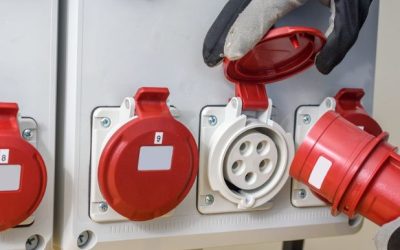
Why “More Plugs” Still Isn’t the Solution for Reefer Growth
Reefer growth isn’t solved by only adding more plugs. Reefers are live assets that demand real‑time monitoring, not manual checks. Learn why automated visibility, instant alerts, and remote control are now baseline infrastructure for terminals facing rising cold‑chain demand.

Reefer Data Is Becoming Terminal Data. And That Changes Everything
Automated reefer monitoring is no longer a niche tool. Discover why reefer data is becoming core terminal infrastructure and how operators are using it to improve planning, safety, transparency, and claims defensibility.