

LATAM’s Reefer Peaks Are Getting Sharper – And Terminals Are Feeling It First
Reefer volumes across LATAM are rising again, but not in the steady, predictable pattern operators prefer. This year’s flows are arriving in sharper peaks, driven by seasonal production swings and intra‑regional shifts that push more refrigerated cargo into terminals with little warning.
Operators across the region are already feeling it.
The Operational Reality: Timing Is the New Challenge
When reefer cargo arrives in bursts instead of waves, terminals face a different kind of pressure:
- Plug capacity gets tested during short, intense windows
- Yard flow becomes harder to smooth out
- Manual monitoring teams get stretched thin
- Excursion disputes become more likely
- Chain of custody documentation gets more important
These aren’t theoretical risks — they’re the day to day challenges operators are managing right now.
It’s Not About More Volume. It’s About Less Predictability
Even modest increases in reefer cargo can create outsized operational strain when the timing is uneven. That’s the pattern emerging across LATAM in 2026.
And when terminals are forced to react instead of prepare, the impact shows up in turn times, energy usage, and quality assurance workload.
Why Automated Reefer Monitoring Matters More This Year
In a landscape where timing is unpredictable, terminals don’t win by adding more plugs; they win by adding more intelligence per plug. Here’s what we mean by that.
Automated monitoring gives operators:
- Real-time visibility across the yard
- Early detection of exceptions
- Energy optimization during peak load
- Compliance-ready temperature records
- Faster, cleaner handoffs
- Lower dispute exposure
It’s a stability tool, not a volume tool.
Looking Ahead to TOC Americas
Reefer growth will be a major topic this year, but the real conversation is about operational resilience. Terminals that build smarter monitoring capability today will be the ones that maintain service quality and protect margins during the next set of unpredictable peaks.
RTE will be at TOC Americas to continue this conversation and to show how automated reefer monitoring fits into the 2026–2027 strategy for terminals across the region.
Back in December, we noted that reefer growth would accelerate in 2026 — and the early‑year patterns now confirm that trend.
FAQs
What is TOC Americas?
TOC Americas is a leading regional event for port and terminal operators, focusing on container handling, automation, equipment, and operational strategy across Latin America. It brings together terminal leaders, technology providers, and logistics experts to discuss emerging trends and practical solutions shaping the region’s port operations.
Latest blog posts
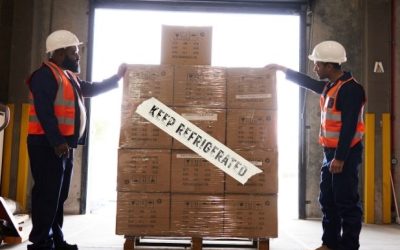
Where cold-chain failures really happen
Cold‑chain failures hide in the gaps—loading docks, transfers, last‑mile handling. Product‑level temperature data reveals excursions, protects shipments, and gives shippers defensible proof.
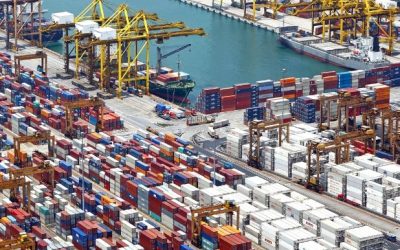
Reefer Failures Are Expensive – Automation Stops Them Before They Start
Reefer growth isn’t solved by only adding more plugs. Reefers are live assets that demand real‑time monitoring, not manual checks. Learn why automated visibility, instant alerts, and remote control are now baseline infrastructure for terminals facing rising cold‑chain demand.
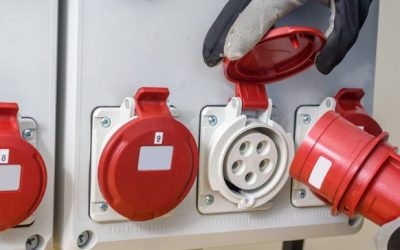
Why “More Plugs” Still Isn’t the Solution for Reefer Growth
Reefer growth isn’t solved by only adding more plugs. Reefers are live assets that demand real‑time monitoring, not manual checks. Learn why automated visibility, instant alerts, and remote control are now baseline infrastructure for terminals facing rising cold‑chain demand.

The Hidden Cost of One Missed Reefer Alarm
The most dangerous alarm is the one no one sees. Missed alerts → aging issues → preventable failures. Let’s break down why critical signals slip through the cracks and how high‑performing yards 𝘀𝘁𝗼𝗽 𝘁𝗵𝗲 𝗱𝗼𝗺𝗶𝗻𝗼𝗲𝘀 before they fall.