

Ready to hit your reefer targets?
Embrace these challenges and watch success happen!
Including reefers in terminal operations can yield huge benefits. Just remember to stay mindful of these potential challenges to maximize your gains.

The popularity of refrigerated container transport by sea is becoming more valuable and in demand. This is in large part due to advancements in reefer technology. Modern reefers have significantly improved the preservation of delicate and high-value items—such as soft-skin berries, fragile flowers, and essential pharmaceuticals—during extended sea voyages. On top of that, customer demand for these products is driving trade to levels never before seen.
As a result, handling refrigerated containers has become a highly profitable venture for terminal operators, who find themselves critically positioned in the cold chain.
However, only those who can efficiently manage the complex aspects of this business will reap the benefits. This requires careful cargo protection from temperature fluctuations and delays that can harm quality and erode customer trust. Therefore, to hit your expected targets, be prepared for the challenges.
What significant challenges do we often encounter when transporting perishable goods in refrigerated containers?
Understanding these issues is crucial for ensuring the quality and safety of our cargo. One big issue is temperature fluctuation. This happens when the inside temperature of the container deviates outside the ideal range for the specific cargo, which can result in spoilage or damage. There are a few things that can cause this problem:
Mechanical Failures
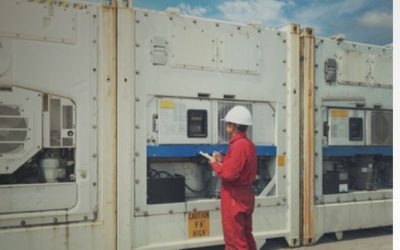
Terminals encounter various types of containers in different states of repair. Unlike dry containers, issues with refrigerated (reefer) containers can affect not only the container itself but also the more complex mechanical refrigeration unit.
Common problems may include a faulty compressor, a broken cooling fan, or malfunctioning thermostats or sensors. Any mechanical issue can disrupt the refrigeration cycle, leading to inadequate cooling and potentially compromising cargo quality. What’s most concerning is that these failures can occur at any time, significantly jeopardizing the safety of the cargo.
Incorrect Temperature Settings
It is crucial to set the reefer container’s temperature according to the specific requirements of the cargo. This important step in the shipping process should be done at the point of origin. However, errors can occur during shipment. Incorrect temperature settings—whether too high or too low—can compromise the quality of the product.
For example, fruits and vegetables have specific temperature ranges that must be maintained to ensure their freshness.
Anyone involved in managing reefers at any point in the cold chain should be aware of the importance of ensuring that the set point on the reefer matches the booking temperature. If there is a discrepancy, necessary adjustments should be made. It’s also crucial to log and save this information for future reference. Doing so can help protect terminal operators from claims related to damaged cargo if the shipment arrives at its final destination spoiled.
Power Failures or Connection Issues
Reefer containers need a steady electrical power source to maintain the necessary temperature. Any interruptions in power, whether due to an outage or failure to properly connect the container to a power source in a timely manner, can lead to rapid temperature fluctuations, adversely affecting perishable items.
Missing data
Accurate data is crucial for effective reefer management at terminals, as it directly affects visibility. Without this information, facilities risk inefficiencies in power consumption for refrigerated containers, leading to higher operational costs. Additionally, a lack of precise data increases vulnerability to disputes over spoiled perishable cargo, damaging the terminal’s reputation and financial stability.
Given these potential issues, terminal operators play a vital role in preserving the condition of the cargo within each refrigerated container while it is under their stewardship. Effective management involves routine checks, ensuring equipment functions correctly, and confirming that all settings align with the shipper’s specifications and precise cargo needs.
By proactively addressing these challenges, terminals can significantly reduce the risk of cargo loss and ensure the safe delivery of perishable goods.
How does reefer monitoring protect perishable cargo in refrigerated containers?
Robust data tracking and analysis systems are crucial for ensuring cargo quality and maintaining operational integrity. Automated reefer monitoring technology significantly enhances the management and safety of perishable cargo stored in refrigerated containers. Here are some ways it can help:
Real-Time Temperature Tracking
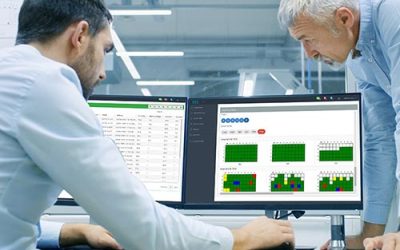
Automated systems continuously monitor the internal temperature of reefer containers while they’re in port. Thanks to a software user interface, reefer operators can easily view the entire terminal environment from anywhere, allowing them to see precisely how each reefer is doing at any moment.
Alerts and Notifications
These technologies often include alert systems that notify operators of temperature fluctuations or equipment malfunctions. This proactive approach allows for rapid responses to prevent spoilage, rather than waiting for routine checks or relying on manual oversight.
Historical Data Analysis
Automated monitoring systems record temperature and humidity data over time, providing valuable insights into the conditions experienced during transport. This data can be analyzed to identify patterns or recurring issues, leading to improved decision-making and operational efficiency.
These time-stamped records provide valuable proof of safe handling practices for the terminal operator. Should a failure occur upstream or downstream from when the terminal was responsible, this data can protect it against unfounded loss claims, saving the terminal thousands of dollars per occurrence.
Remote Access and Control
Many automated systems, such as RTE’s GRASP platform, facilitate remote monitoring and control. This allows operators to adjust incorrect setpoint configurations or address other issues from a distance, which is particularly advantageous in large reefer yards where accessing physical containers may be challenging and time-consuming.
Furthermore, this capability enhances operational efficiencies by enabling quick resolution of simple tasks remotely rather than requiring yard crews to divert from more critical terminal responsibilities.
Integration with Terminal Operating Systems
Automated reefer monitoring technology can often integrate with broader terminal management systems like TOS. This integration provides terminal operators with a complete overview of the container handling environment, including all monitored reefer parameters like booking temperature to setpoint temperature comparisons. This enhances overall visibility, communication, and managerial control.
Improved Compliance and Reporting
Automating the reefer monitoring process helps maintain compliance with industry regulations for transporting perishable goods. Automated data logging makes it easier to generate reports and ensures that all necessary documentation is readily available. This system provides operators with accurate and critical reefer data that they can manage independently without relying on other parties that may not prioritize the terminal’s interests.
Decreased Risk of Human Error
Automating the monitoring process significantly reduces the likelihood of human error when observing and managing conditions inside refrigerated containers, such as misreading the displayed information, transposing numbers, or making inaccurate setting adjustments. As a result, this enhances cargo protection and improves the reliability of terminal operations.
Something more to consider.
Due to their value, handling refrigerated containers can be highly profitable, and incorporating them into your terminal’s operations can offer significant benefits. It’s essential to prioritize protection against potential pitfalls to maximize gains and minimize the risk of losses.
Implementing automated reefer monitoring technology greatly enhances terminal operators’ ability to protect perishable cargo, reduces the risks associated with temperature fluctuations, and improves the quality of customer service.
Since launching our original remote reefer monitoring system in 1985, RTE has continuously been at the forefront of tailored solutions for enhanced reefer management. Over the years, we have consistently innovated and developed new technologies to address our clients’ evolving needs.
Why wait any longer? Take the next step to learn what a monitoring system can look like at your terminal.
Never miss another alert.
Latest blog posts
Your Biggest Cold Treatment Vulnerability Isn’t Temperature—It’s Documentation
Cold Treatment exposes every gap in your cold chain. With risks like rejected cargo or re‑exports, “good enough” monitoring isn’t enough. Here’s how technology can close those gaps and deliver the documentation accuracy you need to succeed.

Take Command in ’26 – Positioning for a $28B Reefer Market by 2030
2026 isn’t just another year — it’s the year reefer operators either plug in or get left out. Operators who invest now won’t just keep pace; they’ll own the market by 2030. Let’s break it down.
The Smart-Yard Framework: 4 Questions to Guide Your 2026 Reefer Strategy
Ask yourself: “What type of reefer operation are we building?” This important first step tees up this 4-part framework for making smarter, scalable decisions regarding your reefer business.

Why Reefer Techs Trust RTE with Complex Controller Repairs
Reefer service techs are pros at diagnosing and fixing mechanical and electrical issues in mobile refrigeration systems. But electronic controllers? That’s a whole different ball game.