

Reefer Monitoring: Myth vs Reality
Still relying on clipboard checks? It might be time for a rethink.
Let’s cut through the noise.
Reefer monitoring isn’t just for specialists: it’s key to improving the oversight of refrigerated containers and ensuring cargo arrives in optimal condition, like fresh, crisp lettuce, not turned into soup. Despite major advances in real-time visibility, outdated assumptions still shape how terminals operate. Let’s tackle five persistent myths—and show how smarter monitoring can reduce risk, streamline operations, and protect your bottom line.
Myth 1: Manual checks are just as reliable as digital monitoring.
Reality: Manual temp checks every few hours might feel routine—but they leave wide gaps where things can go wrong. A spike at 2 a.m. doesn’t wait for the next clipboard round. Digital systems provide real-time alerts, remote access, and automated logs that identify issues before they escalate, enabling your team to respond more efficiently.
Why it matters: When you have dozens, if not hundreds, of reefers, plus multiple dispatches in motion, a 24/7 digital watchtower beats a clipboard every time. It’s not about replacing your team—it’s about giving them superpowers. Automation handles the mundane, so your crew can focus on what really moves the yard: fast decisions, smart dispatches, and keeping cargo safe.

Myth 2: Reefer monitoring is only about temperature.
Reality: Temperature is just one piece of the puzzle. Today’s systems track humidity, setpoint discrepancies, electrical connection status, and historical performance data. It’s not just cold—it’s control. And in a marine terminal, knowing whether a reefer is powered, stable, and aligned with its booking setpoint is mission-critical.
Why it matters: When containers are stacked, staged, and scheduled for vessel loading, every data point helps prevent delays and protect cargo. The more context you have, the faster you can act—and the fewer surprises you’ll face.
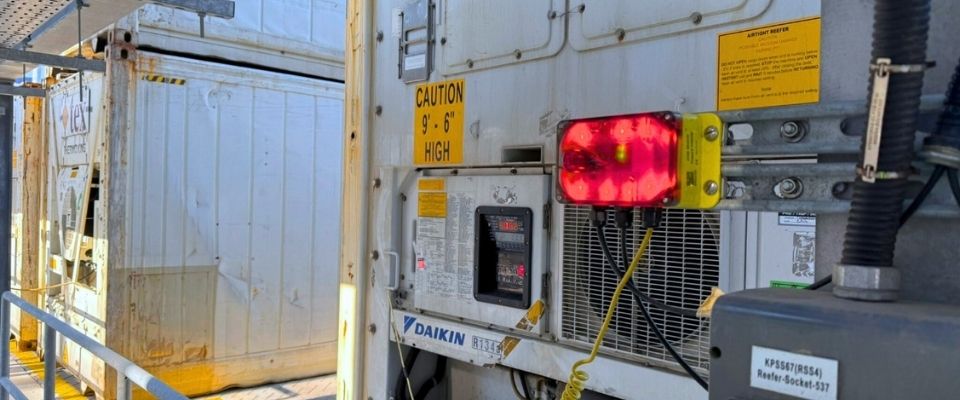
Myth 3: Wireless monitoring doesn’t work in marine or yard environments.
Reality: Container yards pose real challenges for wireless signals—dense steel, stacked containers, and constant movement. But Bluetooth® Low Energy (BLE) is built for it. With smart gateway placement and walk-by read capability, BLE delivers reliable data even in cluttered, low-visibility environments. RTE’s WRAD II system is engineered to perform in marine terminals, providing consistent reads without the need for line-of-sight or manual intervention.
Why it matters: Your team shouldn’t have to chase containers or troubleshoot blind spots. WRAD II’s Bluetooth® Wireless technology offers dependable coverage, fast setup, and seamless integration—so you get the data you need, when and where you need it. No drama, no disruption—just smarter oversight in the yard.
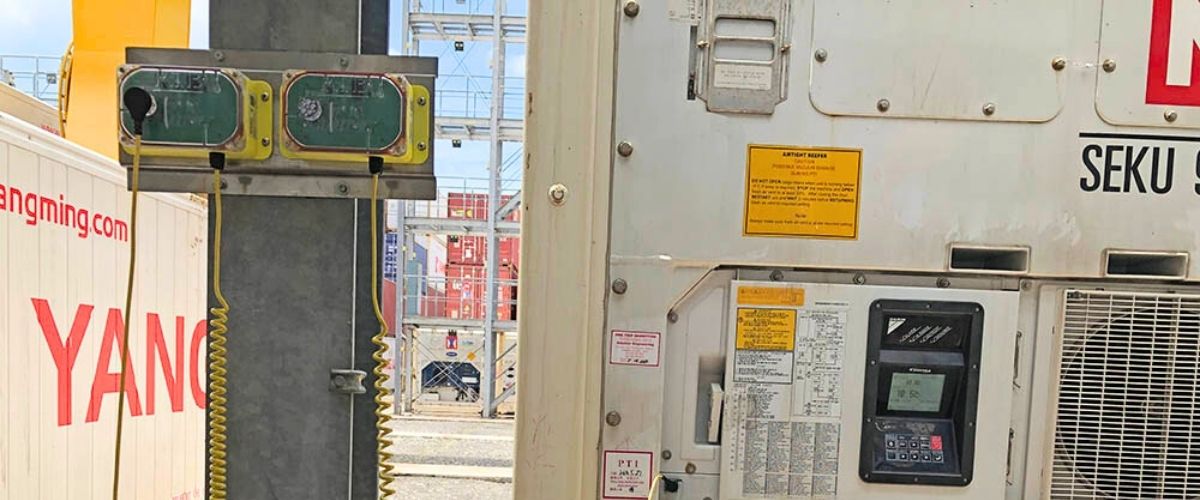
Myth 4: Reefer monitoring systems are too expensive.
Reality: This isn’t just a capital expenditure—it’s a strategic investment. Automated monitoring slashes claims losses, streamlines labor, and keeps compliance tight. And with scalable platforms, you can start lean and expand as your operation grows.
Why it matters: Every spoiled load, missed plug-in, or delayed response hits profitability hard. RTE’s GRASP monitoring software integrates directly with TOS systems to automate critical plug/unplug work orders—boosting terminal efficiency and reducing human error. ROI isn’t a buzzword—it’s built into the tech, and it starts paying off from day one.
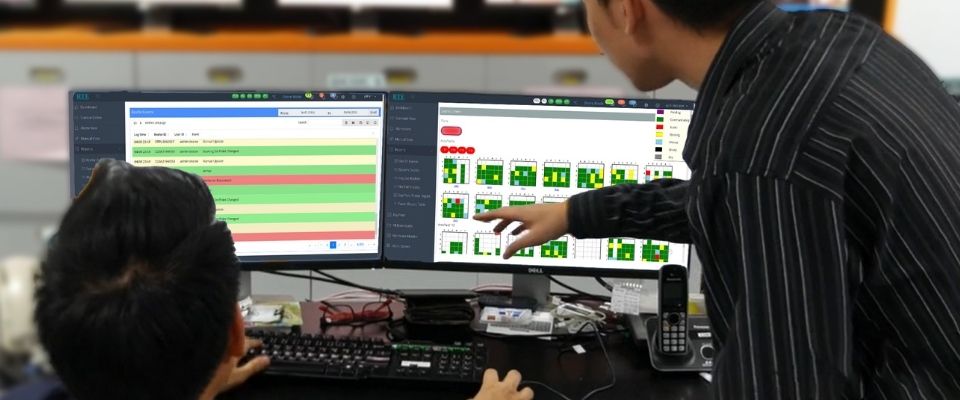
Myth 5: Installing reefer monitoring will disrupt my daily workflow.
Reality: Most systems are plug-and-play or retrofit-friendly. Setup can be completed during routine operations—no interference, no downtime—and UI dashboards are designed for fast adoption.
Why it matters: You don’t need a full-scale overhaul to gain better visibility. RTE’s reefer monitoring systems—like the wireless WRAD II, the visual alert BEACON, and the intuitive GRASP software platform—integrate seamlessly into existing workflows. No havoc, no disruption—just smarter oversight from day one.
Looking ahead: When planning an expansion yard or designing a new terminal, integrating reefer monitoring from the outset unlocks broader options for network architecture, power distribution, and data flow. Early alignment means fewer constraints, smoother implementation, and a future-ready foundation for visibility and automation.
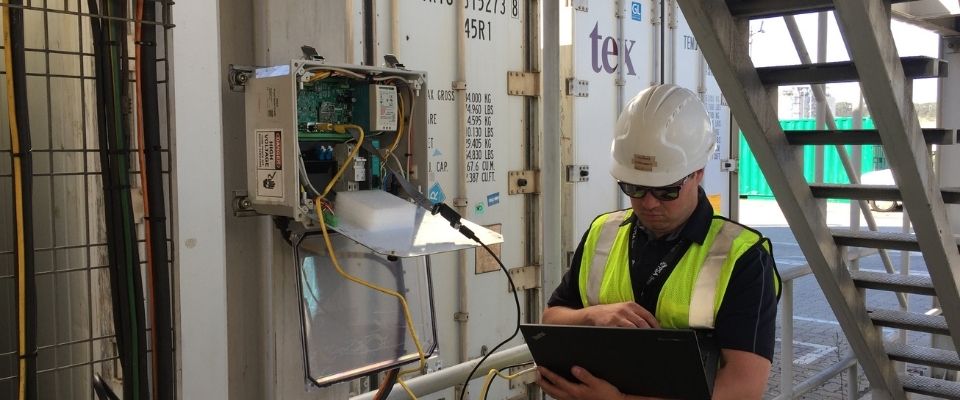
What could a reefer monitoring system look like at your terminal?
Let’s map it out together and see.
Latest blog posts

FSMA 204 Raises the Bar. Temperature Data Is the Key to Closing the Gap.
FSMA 204 is reshaping food traceability. Learn how RTEL temperature data loggers strengthen KDE documentation, support audits, and improve cold‑chain compliance.
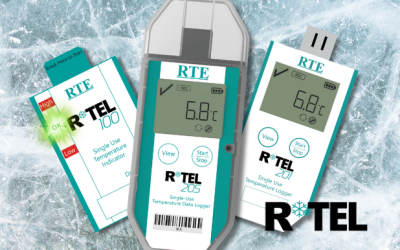
RTE Reintroduces the RTEL Brand of Temperature Indicators and Data Loggers
See how RTE is strengthening cold‑chain visibility across pharmaceuticals, food, and agriculture.

Your Biggest Cold Treatment Vulnerability Isn’t Temperature—It’s Documentation
Cold Treatment exposes every gap in your cold chain. With risks like rejected cargo or re‑exports, “good enough” monitoring isn’t enough. Here’s how technology can close those gaps and deliver the documentation accuracy you need to succeed.

Take Command in 2026 – Positioning for a $28B Reefer Market by 2030
A strategic breakdown of the five levers shaping the future of reefer operations — reliability, visibility, sustainability, compliance, and partnerships — and how terminals can lead a $28B market by 2030.