

Take Command in 2026 – Positioning for a $28B Reefer Market by 2030
The reefer market is accelerating toward a projected $28B valuation by 2030, driven by rising cargo volumes, tightening compliance, and shifting shipper expectations. Terminals that modernize now — with automated monitoring, energy optimization, and data‑driven reliability — will lead the next decade of cold‑chain operations.
This article breaks down the five levers of reefer success and shows how operators can take command in 2026.
The Reefer Market Is Expanding — Fast
The global reefer container market reached $21B in 2025, with forecasts pushing it to $28B by 2030 — a CAGR of nearly 6%. Every report varies slightly, but the trend is unmistakable: reefer volumes are rising, and they’re not slowing down.
Operators already feel this pressure in their yards. More cargo. More plugs. More monitoring. More risk.
Growth brings opportunity — but only for operators who modernize.
1. Capacity & Reliability: The First Lever of Reefer Success
One failed plug can mean millions in spoiled cargo and years of reputational damage.
Reefers aren’t dry boxes. They require:
- Continuous power
- Temperature stability
- Real‑time monitoring
- Backup infrastructure
- Accurate documentation
As volumes rise, so does the risk. Reliability is no longer optional — it’s the price of admission. Automated reefer monitoring gives terminals the visibility needed to maintain safe cargo throughput and protect their reputation.
Reliability is not optional any longer—it’s the ticket to play. Fortunately, there are available tools that provide the visibility you need to ensure success.
2. Technology & Visibility: The New Baseline
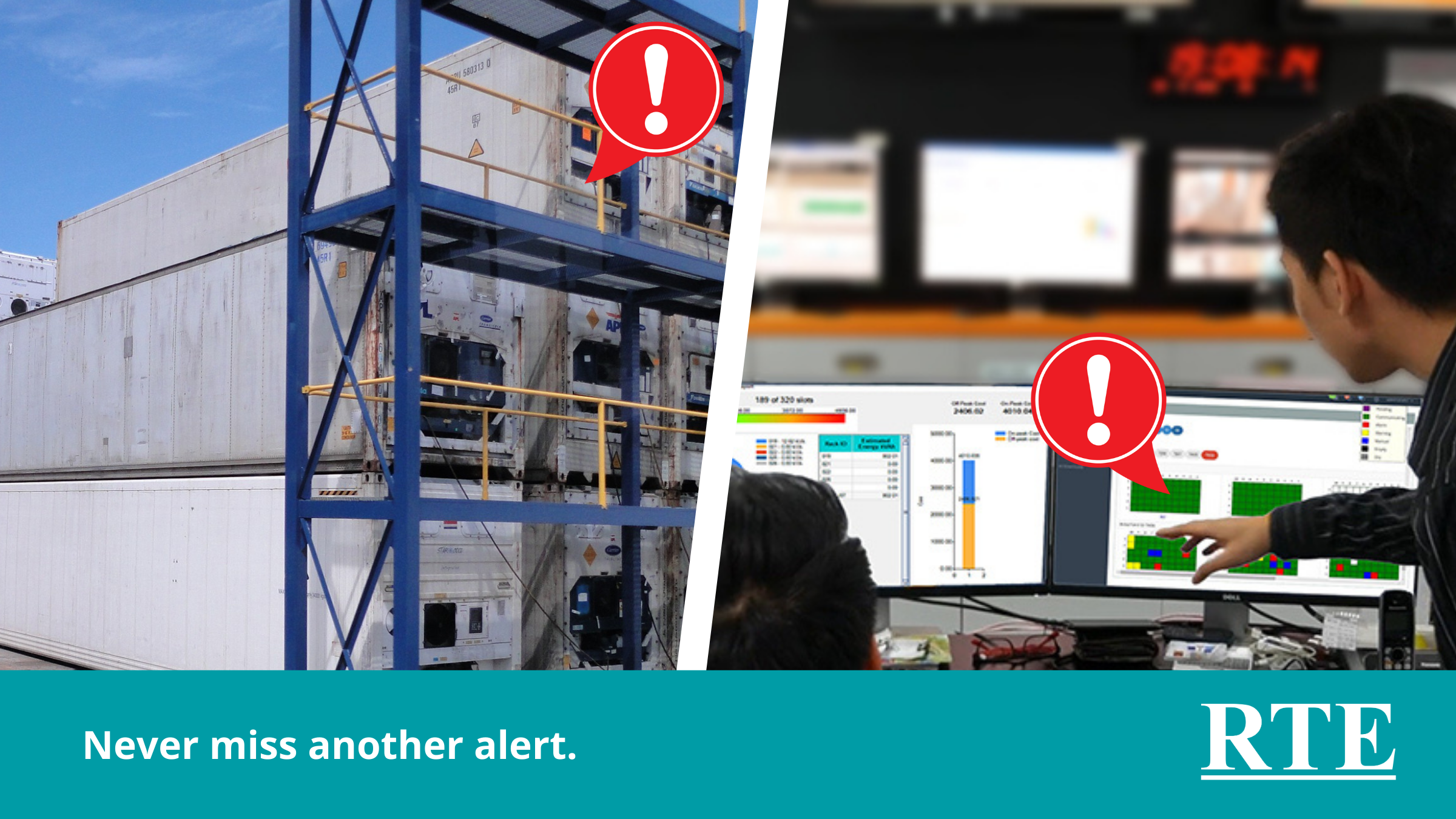
Manual yard checks are slow, error‑prone, and reactive — yet many terminals still rely on them. Automated reefer monitoring changes the game:
- 24/7 real‑time temperature insight
- Instant alerts for deviations
- Remote visibility across the yard
- Digital records for audits and claims
- Integration with TOS platforms
Smart reefer handling isn’t a luxury anymore — it’s the baseline for modern reefer operations.
Through automated monitoring, terminals can prevent cargo spoilage, reduce claims, and gain a clear view of energy use across the yard.
3. Sustainability & Energy Efficiency: Where the Money Is
Energy and claims dominate reefer terminal expenses — 60% of total costs. Automated monitoring directly reduces both.
Reefer Terminal Cost Breakdown
- Energy (Reefer Electricity): 30–35%
- Claims & Cargo Losses: 25%
- Labor (Yard Checks & Monitoring): 20%
- Maintenance & Repair: 10%
- Other: 10%
Automation impacts the top three categories — nearly 80% of total costs.
Benefits include:
- Peak shaving
- Energy optimization
- Fewer claims
- Faster response
- Workforce redeployment
This makes automated reefer monitoring one of the highest‑ROI investments a terminal can make.

Reefer terminal costs as a percentage of overall expenses
4. Service Reliability & Compliance: Precision Is Regulation
Pharmaceuticals and other high‑value cargo require strict temperature control and validated documentation.
Automated monitoring provides:
- Time‑stamped event logs
- Verified temperature history
- Digital audit trails
- Faster incident response
This isn’t marketing — it’s compliance.
And terminals that can prove reliability win trust.
5. Strategic Partnerships: Data as a Competitive Advantage
Digitally documented performance is a sales tool.
Your monitoring data:
- Strengthens customer confidence
- Differentiates your terminal
- Helps win new business
- Supports retention
- Demonstrates operational excellence
Shippers are already expecting this level of visibility.
Terminals that adopt early will lead the market.
Conclusion: 2026 Is the Turning Point
Rising volumes, tightening regulations, and shifting expectations make 2026 the year reefer operators either step forward or fall behind.
By investing in:
- Automated monitoring
- Energy optimization
- Data‑driven reliability
- Transparent reporting
…terminals can move from participation to leadership.
RTE helps operators connect refrigerated containers to the world with confidence — ensuring cargo is maintained, data is validated, and reporting is ready when challenged.
The opportunity is real. The tools are available. The time is now.
Are you ready to take command of a $28B market?
Glossary
Reefer Container — A refrigerated shipping container used to transport temperature‑sensitive cargo.
Reefer Terminal — A port or yard facility that handles refrigerated containers.
Automated Reefer Monitoring — Technology that collects and transmits real‑time reefer temperature and status data.
Cold Chain — The temperature‑controlled supply chain for perishable goods.
Peak Shaving — Reducing energy use during high‑cost periods.
TOS Integration — Connecting reefer monitoring data to a terminal operating system.
FAQs
Why is reefer monitoring important in 2026?
Because rising volumes and stricter compliance make manual checks too risky and too slow.
How does automation reduce costs?
By lowering energy consumption, preventing claims, and reducing labor hours.
What industries benefit most?
Pharma, food, chemicals, and any temperature‑sensitive cargo.
How does monitoring support compliance?
Through validated, time‑stamped digital records.
Why act now?
Because shipper expectations are shifting, and early adopters will win market share.
Learn More
Explore related topics to strengthen your reefer operations strategy:
• Energy Optimization for Reefer Terminals
• Reducing Cargo Claims Through Automated Monitoring
• How Reefer Monitoring Integrates With Your TOS
• Compliance & Audit Readiness for Cold Chain Cargo
• Why RTE Leads in Reefer Visibility Technology
Latest blog posts
The Hidden Failure Points in Reefer Handling
Discover the hidden failure points in reefer handling operations and how terminals can prevent power, setpoint, and mechanical issues.

FSMA 204 Raises the Bar. Temperature Data Is the Key to Closing the Gap.
FSMA 204 is reshaping food traceability. Learn how RTEL temperature data loggers strengthen KDE documentation, support audits, and improve cold‑chain compliance.
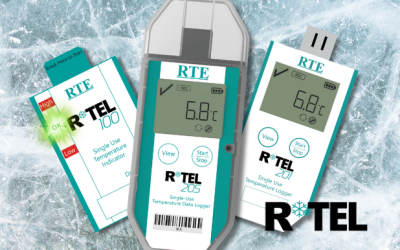
RTE Reintroduces the RTEL Brand of Temperature Indicators and Data Loggers
See how RTE is strengthening cold‑chain visibility across pharmaceuticals, food, and agriculture.
Your Biggest Cold Treatment Vulnerability Isn’t Temperature—It’s Documentation
Cold Treatment exposes every gap in your cold chain. With risks like rejected cargo or re‑exports, “good enough” monitoring isn’t enough. Here’s how technology can close those gaps and deliver the documentation accuracy you need to succeed.