

Timing is everything.
At what stage in a reefer terminal’s growth is it time to add monitoring automation? Each terminal operation is unique, and the procedures for managing perishable cargo flow and care vary. However, certain principles remain constant:
- Ensuring the safety of personnel
- Protecting cargo from spoilage
- Delivering value to customers
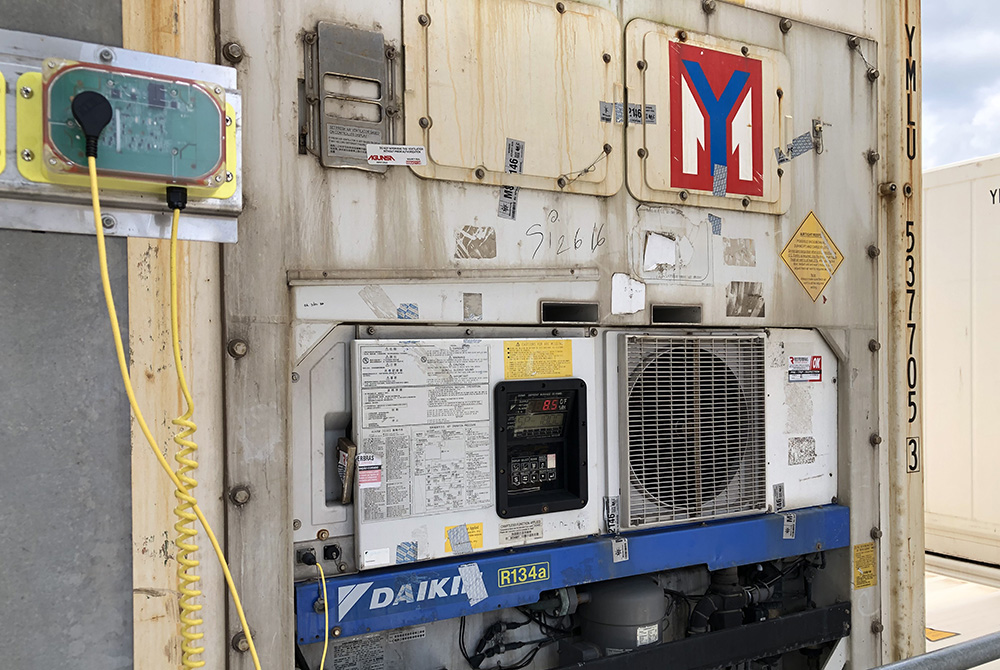
An automated system for reefer monitoring can help any size operation meet these goals. Let’s consider each one to understand when automated reefer monitoring will help the terminal operator achieve greater success.
When safety concerns on the terminal increase.
As terminal operations grow, the risk of on-site injury increases. More containers mean more moves, leading to increased yard traffic. Manual reefer inspections put humans and heavy equipment in proximity throughout the day. Automation delivers consistent and timely data from each reefer without putting people in harm’s way.
When there are higher rates of cargo losses.
Terminals are responsible for the quality and care of perishable cargo from when it arrives until it leaves the yard. Having first-hand knowledge of the condition of each load is essential for operators to maintain cargo integrity. And relying on data from 3rd party sources may not always be in the best interest of the terminal. Remote reefer monitoring that integrates into existing TOS software will enable operators to have critical data that ensures successful throughput of reefer containers by allowing them to maintain historical records and be more reactive to changes in cargo temperature, increasing profit margins by reducing the occurrences of insurance claims.
When your customers demand accurate data.
Reefer monitoring allows terminal operators greater control over the quality of each container in their care. The information collected can be used to create a data storyboard of each reefer that passes through the terminal, regardless of the type. This historical record provides a valuable resource that can be shared with customers to build trust and used as a marketing tool to earn future business and grow the operation.
When considering terminal expansions or new construction.
Reefer monitoring systems today are less reliant on extensive infrastructure than before. Many solutions can be installed at any terminal growth stage, even in existing yards. However, it’s always advisable to have an advance plan to ensure that the chosen system aligns with the terminal’s physical and operational characteristics and fits within the budget.
In summary, some refrigerated container terminal operations may feel they need to be bigger to require a reefer monitoring investment. In contrast, others may feel they are too large, the costs too high, or the installation too disruptive.
No matter the size of a terminal, when concerns about personnel safety, claims losses and customer relations arise, it’s time to consider using automated reefer monitoring. This technology can help increase efficiency and profitability, and there are ways to implement it without disruption or going over budget. Being creative and adaptable is critical to making it work in any environment.
Ready to begin planning reefer monitoring for your terminal?
RTE’s GRASP reefer monitoring system provides multiple options for customizing even the most unique terminal environments. Find out which one is right for you.
Latest blog posts
Your Biggest Cold Treatment Vulnerability Isn’t Temperature—It’s Documentation
Cold Treatment exposes every gap in your cold chain. With risks like rejected cargo or re‑exports, “good enough” monitoring isn’t enough. Here’s how technology can close those gaps and deliver the documentation accuracy you need to succeed.

Take Command in ’26 – Positioning for a $28B Reefer Market by 2030
2026 isn’t just another year — it’s the year reefer operators either plug in or get left out. Operators who invest now won’t just keep pace; they’ll own the market by 2030. Let’s break it down.
The Smart-Yard Framework: 4 Questions to Guide Your 2026 Reefer Strategy
Ask yourself: “What type of reefer operation are we building?” This important first step tees up this 4-part framework for making smarter, scalable decisions regarding your reefer business.

Why Reefer Techs Trust RTE with Complex Controller Repairs
Reefer service techs are pros at diagnosing and fixing mechanical and electrical issues in mobile refrigeration systems. But electronic controllers? That’s a whole different ball game.