

Why site-based reefer monitoring is essential for terminal operations.
So, who, other than you, is keeping an eye on those refrigerated containers in your yard? It’s a valid question. After all, in today’s world, it’s common to track almost any shipment, especially perishable cargo. This highlights the fact that external observers are monitoring the cargo in terminal yards. As a terminal operator, it’s important to understand why this matters and what steps you can take to protect your business.
Many of today’s perishable shippers commonly use data logger tracking tools to get updates on their shipment’s temperature and location information while in transit. These small devices can be stuffed directly into boxes and pallet-sized shipments. On a larger scale, several prominent shipping lines now use reefer manufacturer-supplied monitoring devices built directly into the reefer’s electronic infrastructure to provide customers with updated tracking information for container-sized shipments.
How do these latest temperature data loggers help the terminal operator?
Unfortunately, they don’t. Terminal operators are left outside these data loops, which are generally user-based, limiting reefer data access to paid subscribers only. Site-based terminals do not have the luxury of maintaining the countless software applications required to monitor each reefer source. It would be nearly impossible for today’s busy reefer terminal to utilize them all, especially when handling diverse cargo delivered using any number of carriers.
Additionally, terminals are strategically located in the middle of the cold chain, responsible for unloading containers from ships, storing them in yards, and reloading them onto outgoing vessels. This process can result in multiple interruptions in electrical connections for the containers. Once the terminals receive these reefers, they must ensure that each one is maintained according to the shipper’s specifications during these movements and while they remain at the terminal.
Reefer temperature monitoring options for the terminal operator
Traditionally, taking manual readings from each refrigerated container in the yard has been a baseline method for collecting reefer data. Technicians physically visit each reefer one by one, recording data onto paper ledgers or tablet databases. However, these manual inspections carry inherent risks.
Reading each reefer is time-consuming, especially for large terminals with hundreds of refrigerated containers to manage. Because of this, there may be extended delays between each inspection. Intervals of 6, 12, and even 18 hours are not uncommon. Considering mechanical failures contribute 36% of all reefer cargo losses(1), problems may go unnoticed for half a day before the operator is informed of a problem. Then, there is the added time to correct it. Will the cargo within spoil in that time? The chances are not good.
Another element of concern is accuracy. Humans taking readings across hundreds of reefers can lead to inadvertent errors in data collection and set point adjustments. Imagine what can happen to the cargo if Fahrenheit is used instead of Celsius. It happens, and the results are detrimental to the cargo and the party responsible for managing its condition.
As you can see, relying solely on manual data collection is not enough. It’s incomplete. Accuracy, consistency, and instant alerts are crucial for safeguarding refrigerated cargo.
Automation provides a better solution for reefer monitoring at the terminal
For these reasons, terminals that proactively invest in and use an automated reefer monitoring system like RTE’s GRASP platform will effectively have digital access to all available reefer data on their terms, ensuring visibility, accuracy, and control that were previously unavailable. Benefits include:
-
Access to comprehensive temperature data from each connected reefer 24/7.
Terminal operators can see what the shipper sees through a customized monitoring environment. Critical parameters like temperature, humidity, CA values, USDA logs, and more are digitally viewed, retrieved, and stored, ensuring a thorough understanding of cargo conditions and maintaining real-time data collection anytime, day or night. More importantly, this happens automatically, providing a reliable and secure system for managing refrigerated transportation.
-
Real-time alerts to changes in reefer status.
Reefer malfunctions and temperature excursions are instantly delivered to terminal personnel via alert notifications sent to desktops and mobile applications using reefer monitoring software, like RTE’s GRASP. Operators can view each alert in simple, easy-to-understand text. This ensures a faster response to reefer problems, reducing spoiled cargo and subsequent loss claims.
-
Download reefer trip reports for historical record-keeping.
Knowing what happened before the container arrived at the terminal is equally essential as real-time data collection. Access to historical records of each reefer that passes through the terminal provides verifiable protection against unfounded loss claims. Should the cargo arrive at the destination damaged, the information collected and stored within the monitoring environment is essential to ensuring a sense of security for the terminal operator.
-
Compare booking temperatures to actual reefer set points and make changes where necessary.
When integrated with a TOS system, GRASP site-based reefer monitoring will immediately compare the booking temperatures with the set points on the reefer. If these do not match, the operator will receive an instant alert. Adjustments can be easily handled remotely through the monitoring system without the delays associated with dispatching technicians to the reefer’s yard location, thus vastly improving cargo quality and terminal efficiency.
-
View the entire reefer yard at a glance.
Customized yard plan designs, viewable through GRASP’s user interface, show each reefer’s position in a rack or stack and can be compared against TOS data for secondary verification. Color-coded blocks highlight reefer status. This provides users with a comprehensive representation of the entire operation, simplifying the complexities of the combined data and improving decision-making processes.
In conclusion
You will not realize these benefits by relying on manual reefer inspections. However, with shippers and carriers using proprietary systems for tracking cold chain cargo, it’s safe to assume that somebody is seeing what’s happening when the container is in your terminal. The best practice should be for terminal operators to take the initiative for their benefit.
By the end of 2024, seaborne refrigerated trade will grow by 3.4% to 124 million tonnes annually(2). A reality that is compounding these challenges even more. Don’t react to changes in reefer conditions; be proactive by maintaining an automated monitoring system that is in your best interests.
For nearly 40 years, RTE has been helping site-based and vessel operators maintain control over the reefer data in their care. Our GRASP reefer monitoring system can help your terminal stay informed, reduce claim losses, and be better equipped to manage an increase in reefer throughput with confidence efficiently. The results will help you deliver better performance that your customers will notice.
Stay informed and take control with automated reefer monitoring that only RTE can deliver.
Latest blog posts
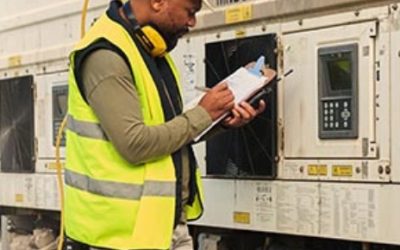
The Hidden Failure Points in Reefer Handling
Discover the hidden failure points in reefer handling operations and how terminals can prevent power, setpoint, and mechanical issues.

FSMA 204 Raises the Bar. Temperature Data Is the Key to Closing the Gap.
FSMA 204 is reshaping food traceability. Learn how RTEL temperature data loggers strengthen KDE documentation, support audits, and improve cold‑chain compliance.
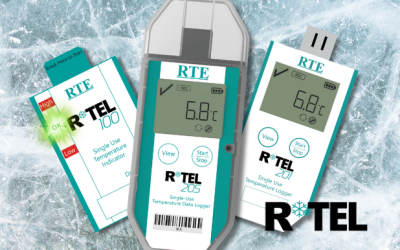
RTE Reintroduces the RTEL Brand of Temperature Indicators and Data Loggers
See how RTE is strengthening cold‑chain visibility across pharmaceuticals, food, and agriculture.

Your Biggest Cold Treatment Vulnerability Isn’t Temperature—It’s Documentation
Cold Treatment exposes every gap in your cold chain. With risks like rejected cargo or re‑exports, “good enough” monitoring isn’t enough. Here’s how technology can close those gaps and deliver the documentation accuracy you need to succeed.