

Reefer Trends: Rising throughput
Are you prepared for the adverse side effects?
The refrigerated container shipping market is set to grow by almost 6% each year for the next five years. This increase in reefer shipments is definitely going to strain terminal operations—not just because of space but also because these containers need constant attention.
Every refrigerated container must be kept at the right temperature. If there are power outages, mechanical failures, or even human mistakes, cargo can be spoiled, and claims losses can be huge. This is something worth avoiding.
Manually checking each reefer takes time, and inspections take longer as shipments increase. Considering current labor market conditions, hiring more staff is not always practical.
What’s the best solution?
Reducing costs and enhancing operational efficiency should be the primary goals to address the anticipated increases in refrigerated container shipping. But what does this mean?
The first step in cost reduction is limiting a terminal’s exposure to risk, either physical injury to personnel or cargo damage. Another is implementing strategies that improve operational processes and workflows. By streamlining how specific reefer tasks are completed—like taking temperature readings, plugging reefers in and out of electrical connections, and managing reefer alarms—wasted time is eliminated. Remarkably, these goals are easily attained using automation.
What is reefer monitoring automation?
Automated reefer monitoring provides real-time access to data within every connected refrigerated container in a terminal. Instead of inspecting each reefer manually, which can take hours and leave long gaps in collected information, monitoring devices at each reefer point collect this information automatically, and software processes it for immediate viewing or storage.
Instead of waiting hours for manual feedback on reefer conditions, terminal managers will immediately receive alerts to changes in reefer temperature conditions as they occur through automation. This will enable them to quickly dispatch technicians for faster, more efficient resolutions, protecting cargo quality from potential spoilage.
Reducing claims losses: How does reefer monitoring reduce the risk of personal injuries and cargo spoilage?
With automation, less human interaction is required with each reefer. This limits the chances of slips, trips, and falls and causes fewer dangerous encounters with large mobile port equipment than manual inspections. The result is fewer accident claims. This also allows for more effective use of terminal personnel to handle more pressing needs. Additionally, if you are currently outsourcing manual reefer inspections, it eliminates another contracted expense.
Cargo spoilage is a huge cost burden for many terminals. Since 83% of all reefer cargo claims are due to temperature variations and poor monitoring practices, quickly discovering harmful changes in reefer status is critical to terminal success. Through automation, out-of-range temperature alarms or alerts to trending temperature variations enable terminal management to be better equipped to prevent cargo spoilage and their associated costly loss claims.
Energy management: How much electricity does a reefer container use?
Another consideration is energy cost. If you don’t track how much electricity your reefer yard consumes, you may be unable to mitigate this excessive expense. Refrigerated containers generally use around 2-7kW of electricity per hour, depending on fresh or frozen cargo.
Reefer monitoring systems automatically collect this critical data from every connected container. You’ll know how much electricity is used throughout the yard, in a specific rack, or down to individual reefers. This information will allow you to understand the amount of electricity consumed and compare it against current utility costs, allowing you to implement effective strategies for energy cost reduction, like peak shaving.
What does a reefer monitoring system cost?
While some might argue that adding automated reefer monitoring is an unaffordable expense, consider the abovementioned cases. Claims losses, injuries, and energy costs are a factor each year. The sooner automation is put into action, the faster these costs can be reduced. Ultimately, the value of automated reefer monitoring will result in cost savings that exceed the expenses associated with its installation and maintenance.
Each terminal environment is unique and requires varying levels of equipment for adequate coverage. As a result, providing an exact cost will involve discussions between the terminal’s technical staff and monitoring system engineers to ensure accuracy. RTE has installed over a thousand systems at more than 100 terminal facilities worldwide. Our team is ready to assist you and guide you through the process whenever you are ready to get started.
Even if your terminal already uses automated reefer monitoring, given the expected increase in throughput, you may soon reach your current capacity. With advancements in reefer monitoring technology, adding new layers to your existing monitoring environment is now easier than ever.
- RTE Bluetooth wireless systems – deliver improved wireless reefer monitoring communication in challenging terminal environments and provide no-touch access to select reefer units that only communicate wirelessly.
- RTE Beacon – a visual reefer alert system that provides lighted cues at each reefer slot for improved communication throughout the yard to changes in reefer status. This ensures that no alert is missed.
- RTE GRASP Automated Work Order processing – automatically manages complex work order processes like plug-in/plug-out commands for improved efficiency.
So, what’s next?
If you are not already experiencing it, an increase in reefer traffic is on the way. Continuing to rely solely on traditional data collection and management methods, such as manual reefer inspections, will leave your terminal vulnerable to being overwhelmed. This could lead to visible consequences for your stakeholders, including rising cargo loss claims due to data entry errors, inefficient work order processing, and diminished visibility into the condition of every reefer in your yard.
Automated reefer monitoring will help any size operation handle current traffic easily and be better prepared for future increases.
Never miss another alert. Ready to learn more?
Latest blog posts
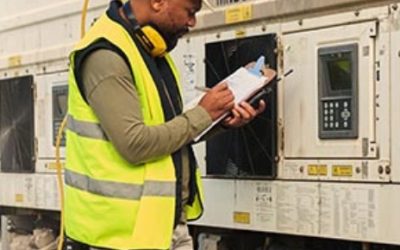
The Hidden Failure Points in Reefer Handling
Discover the hidden failure points in reefer handling operations and how terminals can prevent power, setpoint, and mechanical issues.

FSMA 204 Raises the Bar. Temperature Data Is the Key to Closing the Gap.
FSMA 204 is reshaping food traceability. Learn how RTEL temperature data loggers strengthen KDE documentation, support audits, and improve cold‑chain compliance.
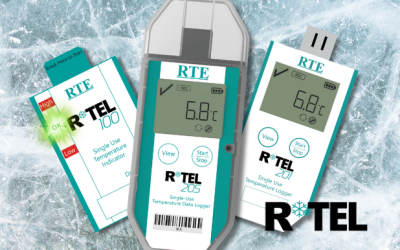
RTE Reintroduces the RTEL Brand of Temperature Indicators and Data Loggers
See how RTE is strengthening cold‑chain visibility across pharmaceuticals, food, and agriculture.
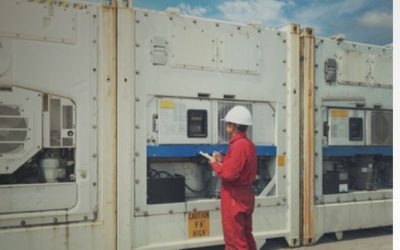
Your Biggest Cold Treatment Vulnerability Isn’t Temperature—It’s Documentation
Cold Treatment exposes every gap in your cold chain. With risks like rejected cargo or re‑exports, “good enough” monitoring isn’t enough. Here’s how technology can close those gaps and deliver the documentation accuracy you need to succeed.